About KC
About KC
Bringing clarity to KC
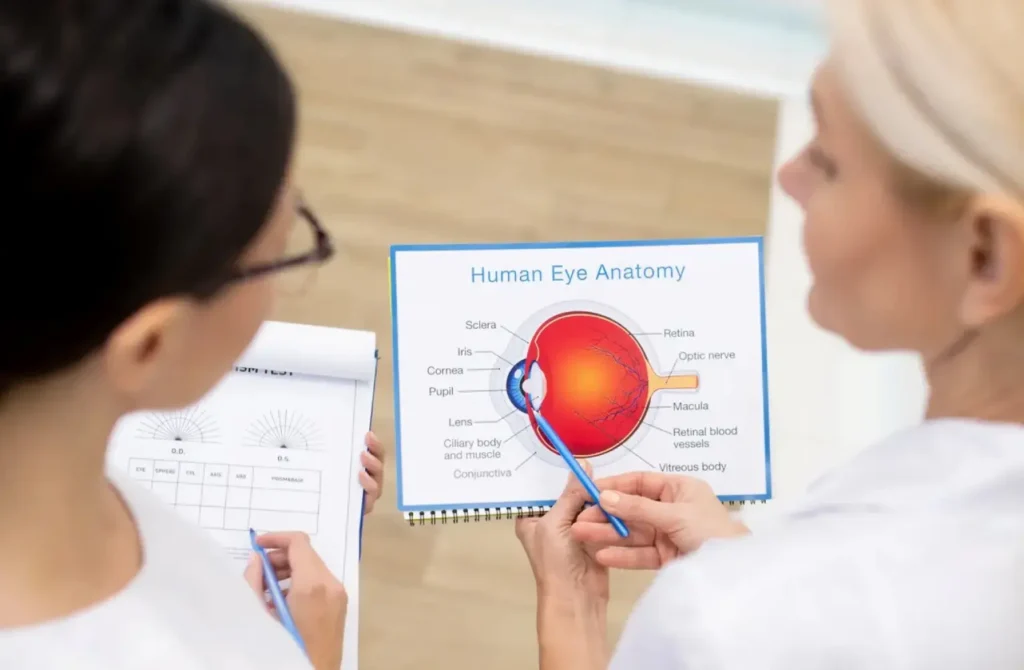
Keratoconus, often referred to as “KC,” is a progressive eye disease in which the cornea weakens and thins over time, causing the development of a cone-like bulge and blurry or distorted vision. KC can result in significant vision loss and may lead to a corneal transplant in severe cases.
Know the signs and symptoms to look for
Signs and symptoms of keratoconus can include but are not limited to:
- Excessive eye rubbing
- A family history of KC
- Frequent prescription changes
- Difficulty seeing at night
- Mildly blurred vision
- Vision that cannot be fully corrected with glasses or contact lenses
- Frequent headaches
See what’s really going on when you rub your eyes
Damien Gatinel, MD, PhD, Rothschild Foundation Hospital
[ KC Statistics ]
A recent survey found that distortion, blurriness, light sensitivity, and eye irritation/pain were the most common vision issues affecting keratoconus patients*
*Glaukos data on file
The potential causes of KC
The exact cause of KC is unknown, but genetics, the environment, and the endocrine system (which includes hormonal changes) could play a role in the development of KC. And, yes, excessive eye rubbing may contribute, too.
Who gets KC?
Keratoconus affects young people in the prime of life. It is often first noticed in adolescence, with most of the damage to the cornea occurring between the ages of 10-30.1
US prevalence of KC is highest in adults aged 18-39 years, with significantly higher prevalence in Black and Hispanic populations.2

Get the Brochure
English

Are you seeing the difference?
Drag the slider in either direction to simulate the vision of someone with keratoconus.


Simulation of Keratoconus Patient Vision. Creative Commons Attribution-NonCommercial-ShareAlike 3.0 Unported License. Changes have been made to the original image. Times Square image by Spreng Ben (CC BY-NC-SA 2.0)
[ References ]
- Ferdi AC, et al. Ophthalmology. 2019;126:935-945.
- Singh RB, Parmar UPS, Jhanji V. Prevalence and Economic Burden of Keratoconus in the United States. Am J Ophthalmol. 2024 Mar;259:71-78. doi: 10.1016/j.ajo.2023.11.009.